Painful Neuropathy? Do This Every Day

Nerve Pain and Nerve Damage
Your nervous system is involved in everything your body does, from managing your breathing to controlling your muscles and sensing heat and cold. Nerves carry sensations of pain or pleasure from your body to your brain.
Because nerves are essential to all you do, nerve pain and damage can seriously affect your quality of life.
Types of Nerves
The central nervous system is made up of nerves in your spinal cord and brain. Peripheral nerves travel beyond your spinal cord and brain to the rest of your body.
There are three types of nerves in the body:
1). Autonomic nerves. These nerves control the involuntary or partially voluntary activities of your body, including heart rate, blood pressure, digestion, and temperature regulation.
2). Motor nerves. These nerves control your movements and actions by passing information from your brain and spinal cord to your muscles.
3). Sensory nerves. These nerves relay information from your skin and muscles back to your spinal cord and brain. The information is then processed to let you feel pain and other sensations.
Vist More Details >>
Difference between neuralgia and neuropathic pain
While the terms neuralgia and neuropathic pain, or neuropathy, are similar they mean different things. Neuropathy is damage to a nerve caused by disease or injury to the nervous system. Neuralgia is a type of nerve pain and can be a symptom of neuropathy.
Nerve Damage Symptoms
With nerve damage, there can be a wide array of symptoms. Which ones you may have depends on the location and type of nerves that are affected. Damage can occur to nerves in your brain and spinal cord. It can also occur in the peripheral nerves, which are throughout the rest of your body.
Vist More Details >>
Symptoms of autonomic nerve damage
Autonomic nerve damage may produce the following symptoms:
- * Not being able to sense chest pain, such as that caused by angina or a heart attack
- * Too much sweating (known as hyperhidrosis) or too little sweating (known as anhidrosis)
- * Lightheadedness
- * Dry eyes and mouth
- * Constipation
- * Bladder dysfunction
- * Sexual dysfunction
Symptoms of motor nerve damage
Damage to motor nerves may produce the following symptoms:
- * Weakness
- * Muscle atrophy
- * Twitching, also known as fasciculation
- * Paralysis
Symptoms of sensory nerve damage
Sensory nerve damage may produce the following symptoms:
- * Pain
- * Sensitivity
- * Numbness
- * Tingling or prickling
- * Burning
- * Problems with positional awareness (knowing what's around you and your position in a particular space)
Causes of Nerve Pain and Nerve Damage.
There are more than 100 types of nerve damage. The various types may have different symptoms and may require different types of treatment.
Vist More Details >>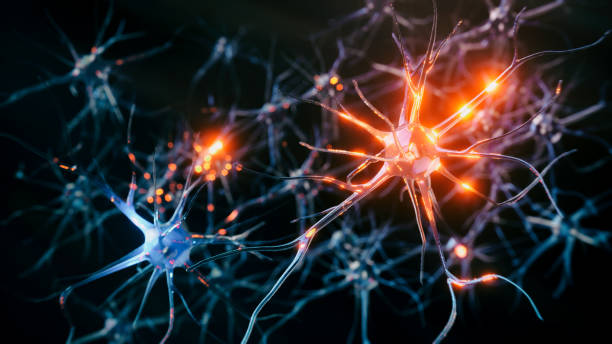
Signs of a Pinched Nerve
A pinched nerve occurs when surrounding tissues—such as bones, cartilage, muscles, or tendons—apply too much pressure to a nerve. This compression disrupts the nerve's ability to transmit signals correctly, often leading to a hallmark "pins and needles" sensation known as paresthesia. Other common signs include sharp, aching, or burning pain that may radiate outward from the site of compression, such as sciatica traveling down the leg. You might also notice localized numbness or a significant decrease in muscle strength in the affected area, which can make daily tasks like gripping a cup or walking difficult.
Diabetic Neuropathy Symptoms
Diabetic neuropathy is a common and serious complication of high blood sugar that typically develops slowly over several years. Symptoms most often begin in the feet and legs before progressing to the hands. Early warning signs frequently include tingling, numbness, or a burning sensation that tends to worsen at night. Some individuals develop an extreme sensitivity to touch, where even the weight of a light bedsheet can cause intense pain. In advanced stages, autonomic symptoms may arise, such as dizziness upon standing, digestive issues like bloating or constipation, and a loss of balance that increases the risk of falls.
Nervous System Disorders Explained
The nervous system is the body’s command center, consisting of the central nervous system (brain and spinal cord) and the peripheral nervous system (nerves branching to the limbs and organs). Disorders of this complex network can range from degenerative conditions like Parkinson’s and Alzheimer’s to vascular issues like stroke or localized nerve damage like carpal tunnel syndrome.
Vist More Details >>
These conditions often disrupt vital functions, leading to physical symptoms like tremors or paralysis, cognitive challenges like memory loss, and sensory disturbances such as chronic pain or loss of vision.
Understanding Chronic Nerve Pain
Unlike acute pain that acts as a temporary warning, chronic nerve pain (neuropathic pain) persists for three months or longer, often remaining long after an initial injury has healed. This occurs because the nervous system itself becomes damaged or dysfunctional, sending "false" pain signals to the brain. This condition is often described as spontaneous stabbing, electric shock-like sensations, or persistent burning. Beyond physical discomfort, chronic nerve pain can lead to "brain fog," disrupted sleep, and significant emotional distress, including anxiety and depression.
Medication for Nerve Pain
Treating nerve pain often requires specialized medications rather than standard over-the-counter relievers. Common 2025 medical protocols include:
- * a structured, step-by-step system designed to educate you about nerve health and empower you to take control through consistent, simple daily actions. It's not a magic bullet, but a guided path towards potentially improving your well- being Claim your offer...

Note: Always consult with a healthcare professional before starting new medications to ensure they are appropriate for your specific condition.
This is an advertisement...
To adjust how often you receive future post, including unsubscribing, mail to
Send Email..